Tiger Wong: A Display Font for Bold Editorial Statements
When designing a lifestyle blog header, the choice of font can make or break the visual impact. I recently found myself in that exact situation, tasked with revamping the cover of a new wellness publication. After testing several options, Tiger Wong stood out—not just for its bold presence, but for how it effortlessly conveyed both energy and elegance. As a display font, Tiger Wong is more than just a typographic tool; it's a statement.
Tiger Wong for Lifestyle Blog Headers and Brand Identity
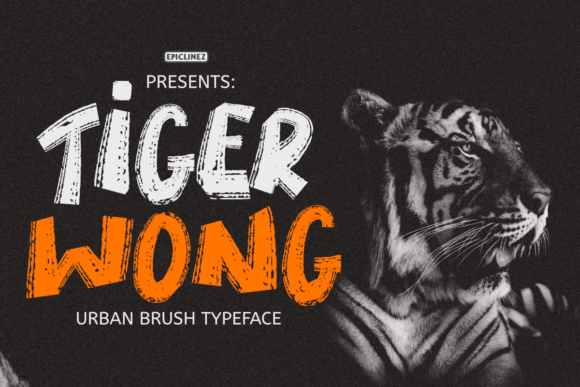
Tiger Wong is a quirky and interesting display brush font that brings a sense of playfulness to any layout. Its powerful and thick lettering makes it ideal for headers, where it can anchor the visual hierarchy without overwhelming the reader. When I used Tiger Wong for a lifestyle blog’s main title, the result was striking—each letter felt like a hand-painted stroke, yet maintained clarity and structure.
The font’s personality is both modern and timeless, making it versatile for different editorial tones. Whether you're crafting a sleek digital magazine or a vibrant newsletter, Tiger Wong adds character without sacrificing readability. It’s especially effective when paired with a clean sans serif or serif font for body copy, ensuring a balanced contrast between the bold display and the readable text.
Tiger Wong for Recipe Ebooks and Creative Content Layouts
In a recent project for a recipe ebook, I needed a font that could highlight key ingredients and titles while maintaining a warm, inviting feel. Tiger Wong fit the bill perfectly. Its thick strokes and playful curves added a touch of charm to the design, making each page feel personal and engaging.
However, it’s important to consider how Tiger Wong performs in different formats. While it shines on screen, particularly in larger sizes, it may not be suitable for dense paragraphs or small print. For instance, using Tiger Wong in a formal report would likely distract from the content rather than enhance it. That said, for pull quotes, chapter openers, or decorative accents, Tiger Wong is a standout choice.
Tiger Wong for Wedding Invitations and Elegant Branding
Another use case I explored was wedding invitations. Tiger Wong’s rich texture and expressive style made it an excellent fit for creating a unique brand identity. The font’s thickness and rounded edges gave the designs a soft, elegant feel that aligned well with the theme of celebration.
When designing for print, I noticed that Tiger Wong retained its character even at smaller sizes, which is a rare quality for a display font. This versatility allows it to work across various platforms—from social media graphics to physical invitations. However, it’s always wise to check the font’s included styles, ligatures, and weights before finalizing a design to ensure compatibility with your specific needs.
Tiger Wong for Digital Magazines and Newsletter Graphics
In digital publishing, Tiger Wong can elevate the aesthetic of a magazine cover or newsletter graphic. Its thick strokes and dynamic shapes add visual interest, making it a great option for attention-grabbing headlines or promotional banners.
For web design, I recommend using Tiger Wong in combination with a readable serif or sans serif font. This pairing ensures that the content remains accessible while still benefiting from the font’s expressive qualities. Additionally, checking the font’s multilingual support and file formats is crucial, especially if you plan to use it in international publications or digital downloads.
Tiger Wong for Printables and Educational Materials
When working on printable planners or educational worksheets, Tiger Wong can add a creative flair that distinguishes the material from generic templates. Its boldness works well for section headings or decorative elements, helping to guide the reader through the content without being overpowering.
It’s also worth noting that Tiger Wong supports commercial font licensing, making it a reliable choice for creators who sell their work. Whether you’re building a course PDF, a coaching workbook, or a branded printable series, this font offers both visual appeal and practicality.
In conclusion, Tiger Wong is a display font that excels in editorial design by combining boldness with readability. Its quirky and interesting style makes it perfect for headers, pull quotes, and brand identity projects. By understanding its strengths and limitations, you can confidently incorporate Tiger Wong into your next design project and create something truly memorable.